


Sober living
Anticoagulants Blood Thinners: What They Do, Types and Side Effects
We’ll review your substance use history, medical background, and personal goals to create your individualized treatment plan. Our medical team is here around the clock to ensure your comfort and safety. Talk to marijuana addiction your care team if you are concerned about your fertility.
General Health
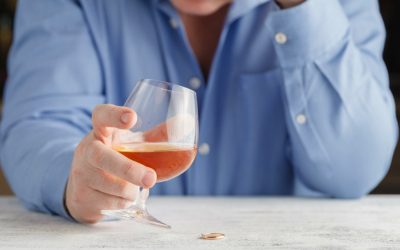
In other words, combining these two can lead to an increased risk of bleeding beyond what either substance alone would cause. By understanding the relationship between blood thinners and alcohol, you can make informed decisions about your health and minimize your risk of complications. Eliquis is a common blood thinner that does not require routine blood tests like some anticoagulants do. Using alcohol with Eliquis can increase the risk of internal bleeding, so alcohol use should be limited. Coumadin is one of the most commonly used blood thinners in the U.S., but it carries a 3% to 6% risk of major bleeding.
Prevention
Before consuming alcohol while taking blood thinners, it’s important to consult with your healthcare provider. They can provide personalized guidance based on your specific medical condition, the type of blood thinner you are taking, and any potential interactions or risks involved. Your healthcare provider will be able to assess your individual situation and advise you on whether it is safe to consume alcohol while on blood thinners.

Moderation and Responsible Drinking

However, reliance on alcohol for vasodilation is precarious and overshadowed by the well-documented negative impacts of heavier or chronic usage. Naproxen is a blood thinners and alcohol nonsteroidal anti-inflammatory drug (NSAID) that treats mild to moderate pain and inflammation. Naproxen may be unsafe for people with certain medical conditions.
Risks and Consequences
Researchers have found that low-to-moderate drinking could reduce certain processes that lead to heart disease and inflammation. However, more research is necessary to determine whether alcohol use is directly responsible for these possible heart benefits. Drugs.com warns that even moderate alcohol consumption can elevate the risk of stomach bleeding when combined with aspirin.
Post-Surgery or Dental ProceduresDoctors often advise https://ecosoberhouse.com/ patients to avoid heavy drinking after surgery or a tooth extraction. Even moderate alcohol can hamper wound healing, increase bleeding, or interact with post-op medications like analgesics or antibiotics. Stroke RiskAlcohol’s “blood-thinning” action is sometimes credited with a slightly reduced incidence of ischemic stroke (caused by clots).
- They’ll also help you learn how to minimize the risks of taking a blood thinner so you can reap the rewards without worry.
- Compression therapy can significantly reduce the risk of post-thrombotic syndrome.
- The blood-thinning effect of Lovenox is enhanced while using alcohol, increasing the risk of bleeding.
- This goes for all of the drugs in the class of Factor Xa inhibitors (Eliquis, Xarelto, Savaysa, Arixtra).
- Wear compression stockingsOften recommended for patients with venous insufficiency or after vein procedures.
How Long to Heal Fatty Liver: Understanding Recovery, Nutrition, and the Science of Liver Repair
This can help them determine if something is causing an interaction that could lead to serious bleeding. But having more than three alcoholic drinks daily could increase your risk for a type of stroke caused by bleeding in the brain (hemorrhagic strokes). But sometimes, a blood clot can form in — or travel to — an artery that supplies your heart or brain with oxygen-rich blood. This may lower your risk for the type of strokes caused by blockages in blood vessels.
Yes, you can usually travel while taking blood thinners, but it’s important to take certain precautions. Prolonged sitting during travel can increase the risk of DVT, so it’s important to get up and move around frequently, stay hydrated, and wear compression stockings. It’s best to consult with your physician beforehand to receive specific recommendations. This can range from minor bruising or nosebleeds to more serious internal bleeding.